 EN
EN

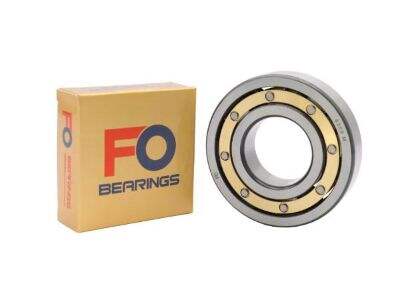
Wheel bearings keep your wheels turning by reducing friction within the wheel assembly. They allow our wheels to turn with ease, so it’s crucial to identify any issues early on in order to avoid larger complications later. At Fo Bearings, we know your car and value the longevity of you vehicle's wheel bearings so here are some things to look out for that may help you diagnose a bad wheel bearing sooner rather than later.
Why Wheel Bearings Wear Out So Fast?
A few things can cause wheel bearings to die prematurely. Lack of lubrication is a common reason. When it is insufficiently lubricated, the wheel bearing can produce friction and hence heat that result in premature wearing. Another reason is contamination with water or dirt. Water or dirt that invades the wheel bearing can lead to corrosion and destruction. Improper mounting or using an impact is another cause for early wear and damage. It is important that the car wheel bearing be installed properly and loaded with grease.
Lessons on diagnosing wheel bearing problems in bulk
There are some ways you can tell if your wheel bearing is going bad. One such common symptom is the noise produced by a faulty wheel bearing. This noise typically becomes more noticeable as the car accelerates. Its another indication of a failing ball joint when you feel too much vibration or shaking in the steering wheel or in the whole car. If you feel your car shaking more than normal while driving, it might be because you have a bad auto wheel bearing. And if you hear a clicking or popping sound when you’re turning, it could be the wheel bearing. The sooner you notice these warning signs and address any potential problems, the more likely you are to be able to save your wheel bearing from severe damage as well as minimize damage to other parts of your vehicle! By remaining alert and taking care of issues when they arise, you can extend the life of your wheel bearings and ensure your vehicle runs properly.
Typical Signs of a Bad Wheel Bearing
One way to catch a failing wheel bearing in the early stage is by paying attention to the warning signs. Some of the most common signs and symptoms of bad wheel bearings include abnormal sounds coming from the tires or wheels when you are driving, including shrieking noises and/or grinding noises. You can also feel the steering wheel or even the vehicle vibrate or wobble. The tire will show uneven tire wear when the wheel bearing is preventing the wheel from sitting properly. When you get one of these symptoms, make sure to have your wheel bearing inspected so you won’t further inflict more damage on them.
DIY: How to Inspect Wheel Bearings
To tell if your wheel bearing is going bad, you can do a DIY check at home to take a look for yourself. Begin by jacking up the car and resting it on jack stands. Then hold the wheel at 12 o’clock and 6 o’clock and attempt to rock it in and out. Look for any motion or play which might indicate a defective wheel bearing. Then listen for any strange sounds while turning the wheel by hand. If you notice a grinding, clicking or clunking noise coming from the front of your car when you turn, then either of these components is on its way out. Finally, make sure there are no leaks or damage to the wheel bearing. If you see any of these things during your inspection, it’s probably a good idea to have a mechanic take a closer look and find out how much of an issue you’re dealing with.
How Long Can You Drive on a Bad Wheel Bearing?
Bad wheel bearings should not be ignored, as they will cause additional and unnecessary wear on other parts (such as your tires). Although it can be very tempting to dismiss the problem and keep driving, a damaged wheel bearing can allow the wheel to freeze up or fall off while driving causing a hazardous situation. And beyond that, driving with a bad wheel bearing can put stresses on other components in your car, particularly the hub and axle. You're better off dealing with this situation sooner than later to protect the safety and well-being of your automobile. If you feel your wheel bearing is in trouble, get it inspected and replaced by a mechanic immediately.
The thing to pay attention to those signs of bad wheel bearings and that you should take action in the first time possible so you can prevent other harms for your vehicle!! With a little DIY, you're able to inspect and diagnose wheel bearing issues before they become overwhelming. And don’t forget, safety should always be a priority in taking care of your car parts in case it wears out and is no longer safe to use. Count on Fo Bearings if you need any wheel bearing for your car to feel the road and enjoy safety driving.