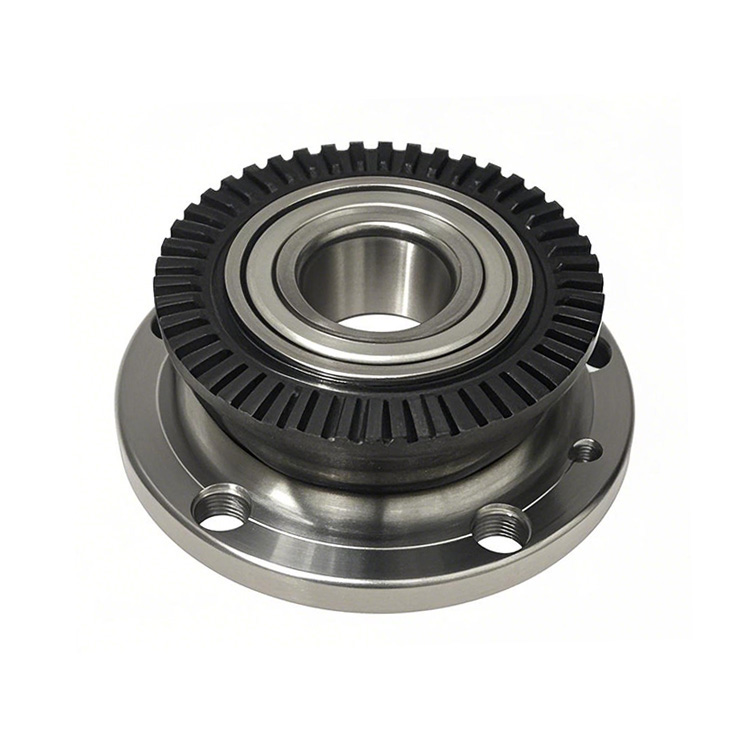
Rolling, sliding, rotating – they’re all movements you see inside many of the machines and tools you use every day. Ever wonder how all these movements are even feasible? The secret, according to Subsurface, is a small but essential part known as the spherical bearing.
Spherical bearings are tiny little round components that aid like devices in an operation in a more smooth and effective manner. They are employed in applications as diverse as cars and airplanes to washing machines. Spherical bearings are available in various shapes and sizes, which can be suitable for your different purposes; good for reducing friction and can support rotational and linear motion.
Spherical bearings are used in countless applications, wherever rotational motion must be allowed to change the alignment of its rotation axis. Spherical bearings make machines run more smoothly and reduce wear and tear on moving components by offering clearances between parts where friction is caused. They also reduce shock and vibration in the machine and shield it from damage. Bearing Without spherical bearings machines would not be able to work and would be more suceptible to breaking down.
Spherical bearings have many benefits in industrial applications. One of the greatest advantages is their tolerance for misalignment. Spherical bearings allow angular misalignment of the shaft plus the ability to rotate freely. This is to avoid the machine being clogged and to ensure the machine's operation goes on smoothly.
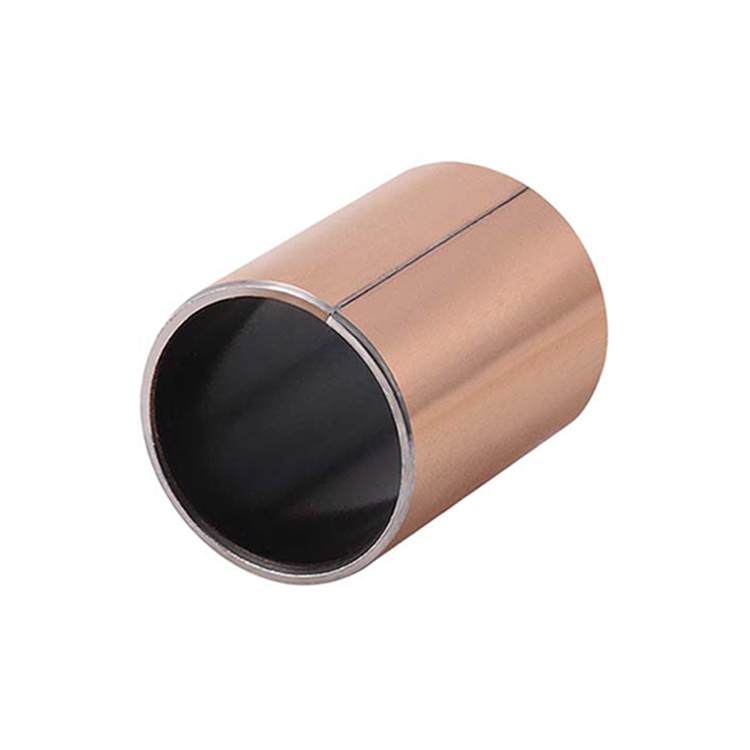
Another option provided by spherical bearings is their flexibility. The spherical bearings are widely used in heavy industry applications, from downhole tools in the oil industry to the connection between columns or struts and girders in construction. This flexibility makes them essential in a multitude of industries and in designing of machines with better fit and function.
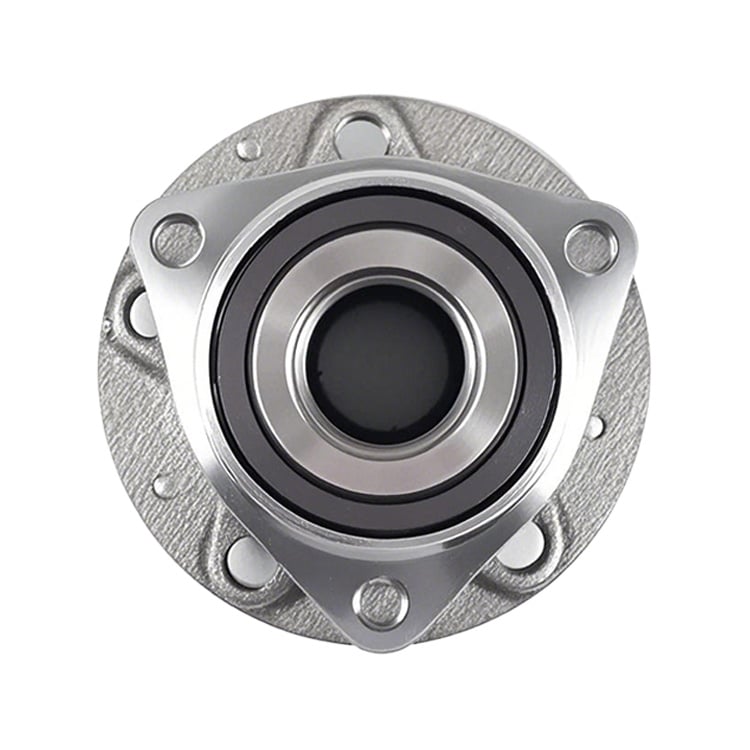
There are a variety of spherical bearings that offer different capabilities for various applications. Some typical varieties include straight spherical bearings, spherical roller bearings, and ball joint bearings. They all have their own special features and benefits, but selecting the correct one is critical to getting the best performance out of a machine.
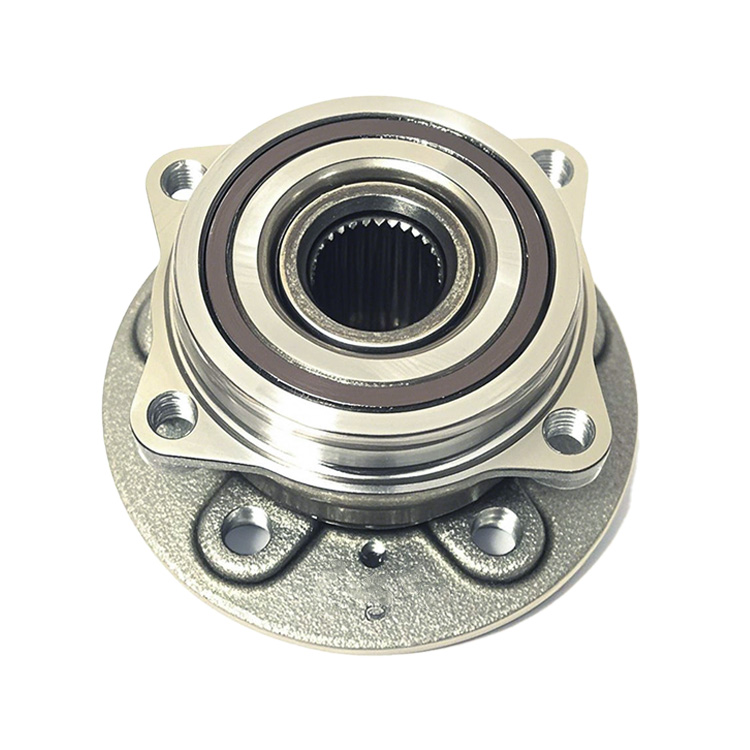
In summary, then, spherical bearings are widely used in mechanical systems which demand easy rotation even when the shaft misaligns during operation. And they are of such importance to friction or shock reduction and the accommodation of misalignment in machinery, it is worth discussing them for a moment. If engineers and designers know the types of spherical bearings available and what they are particularly suitable for, they can select the right component for their particular application and make certain that their machine runs efficiently and effectively.
Every bearing is precision-manufactured through forging, heat treatment, and machining, supported by a rigorous quality management system that includes automated inspection, material testing, and noise/vibration analysis to guarantee durability and performance.
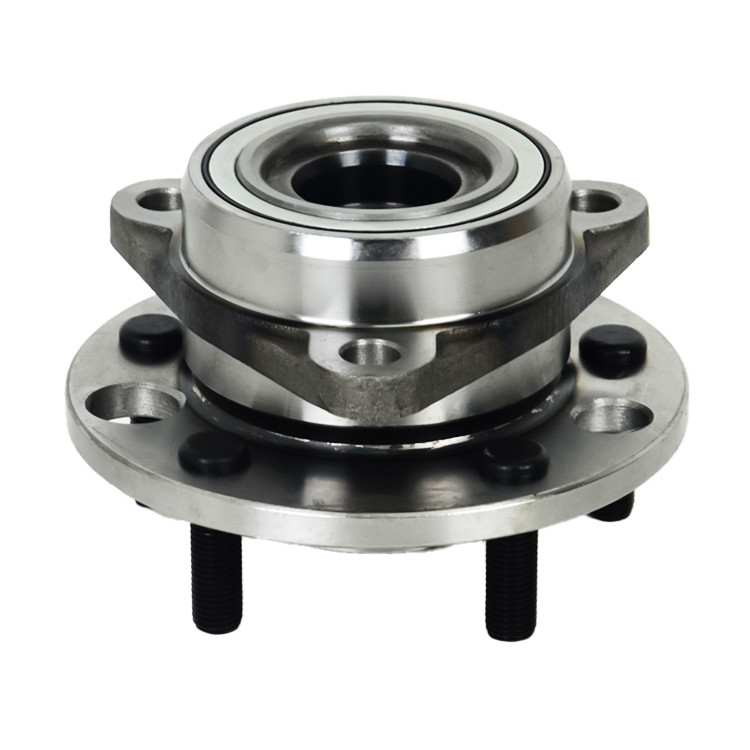
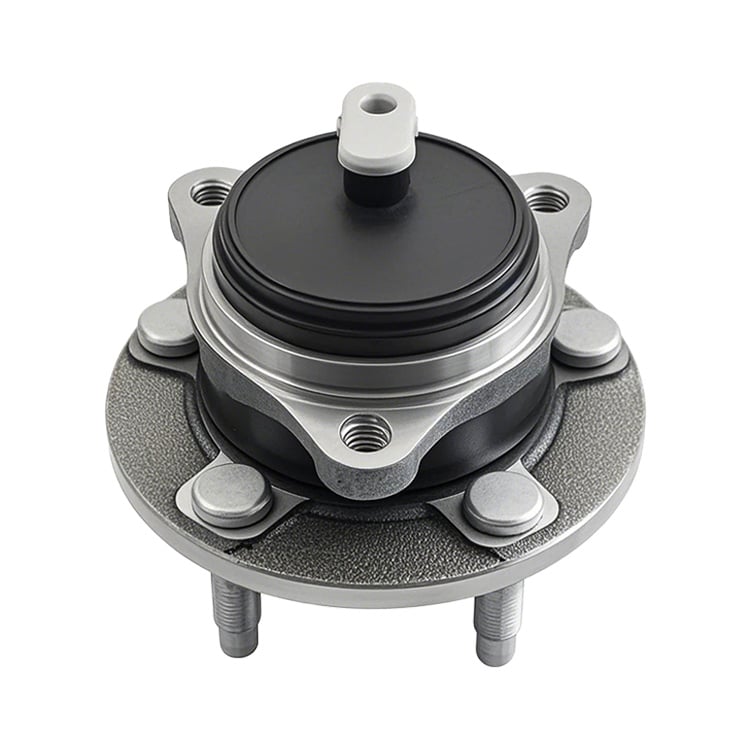
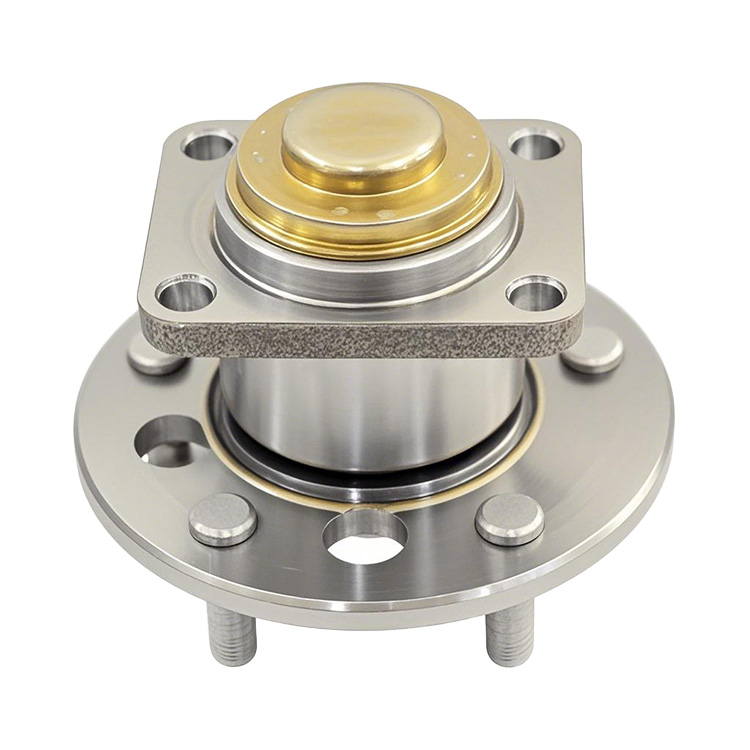
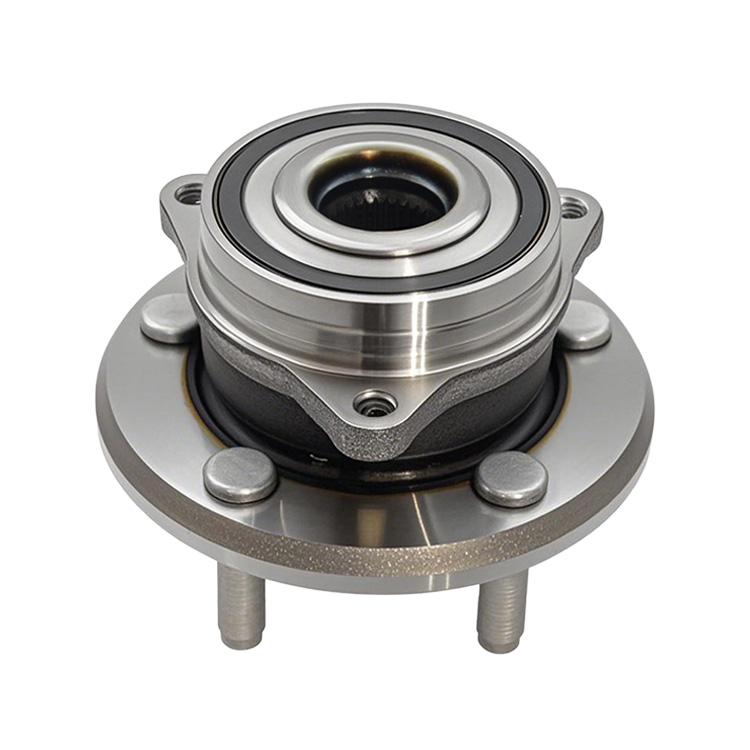
With over 20 years of dedicated experience in bearing production, we specialize in developing and supplying high-precision solutions including wheel bearings, hub bearings, and clutch release bearings, ensuring reliable performance across diverse industrial applications.
We offer comprehensive OEM and ODM services, tailoring bearings in various styles, sizes, and specifications to meet unique requirements in automotive, machinery, and energy sectors—delivering both superior quality and competitive pricing.
Backed by a multinational presence through subsidiaries in Iran, Canada, Malaysia, and the UK, we provide responsive 24/7 localized support, ensuring seamless technical assistance and smooth cross-border collaboration for clients in over 60 countries.
 EN
EN